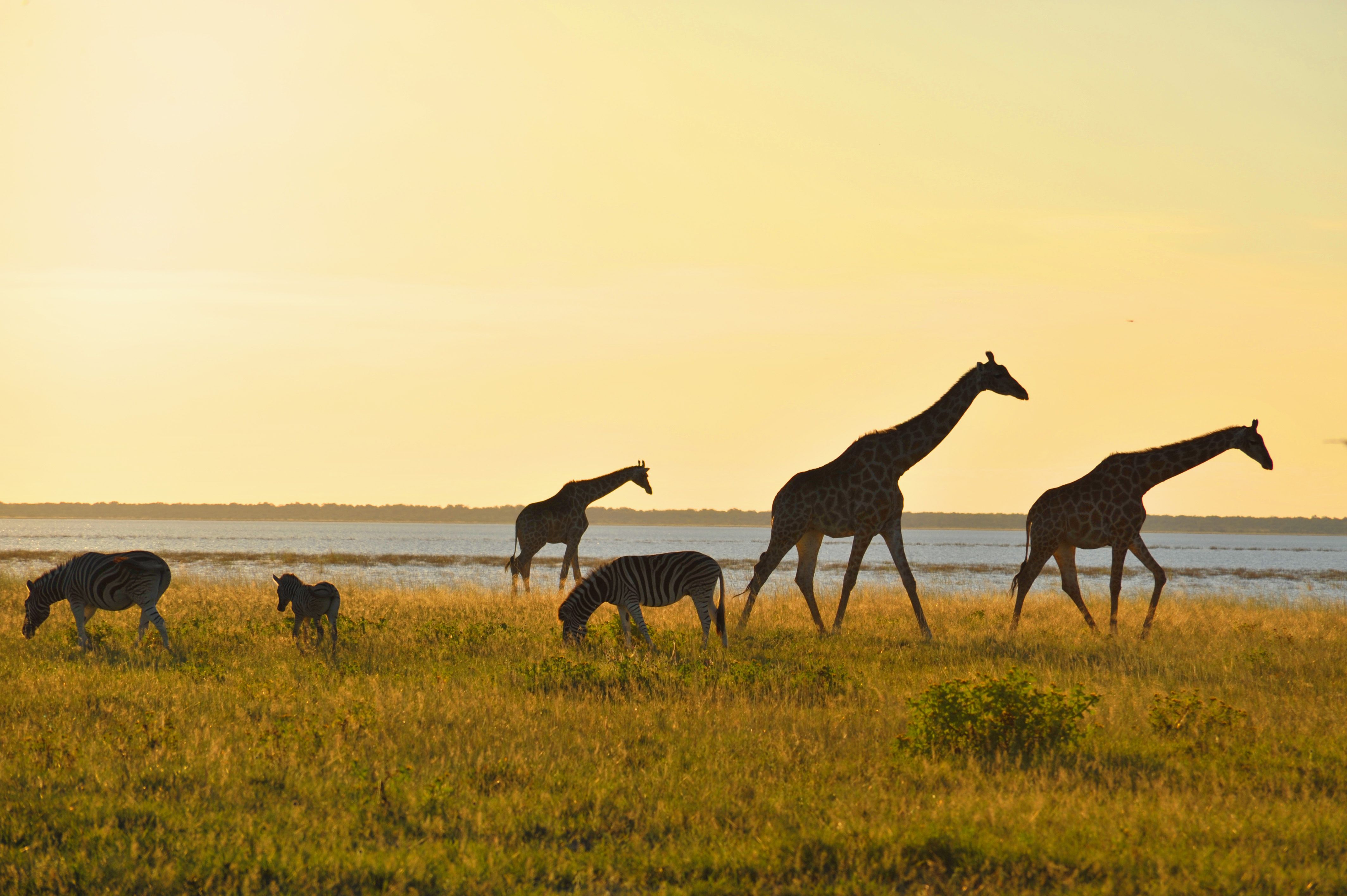
<h2>Navigating the African Continent</h2><p>Travel across Africa requires meticulous logistical preparation due to the vast distances between key conservation areas and the specific entry requirements for various regions. For travellers from London, New York, or Dubai, the primary hubs remain Johannesburg, Nairobi, and Kigali. These cities serve as the entry points for most multi-country itineraries. To ensure a seamless arrival, we recommend coordinating regional transfers through our <a href="/services/flights">specialist flight services</a>, as commercial schedules between remote airstrips and major capitals are often limited.</p><h2>Private Game Reserves in South Africa</h2><p>South Africa provides the most developed infrastructure for luxury travel on the continent. The Sabi Sands Game Reserve, which shares an unfenced border with Kruger National Park, is home to several well-regarded private lodges. These properties offer high standards of service and professional guiding. Unlike public parks, private reserves allow vehicles to leave the main tracks, which provides closer access to wildlife under controlled conditions.</p><h3>The Cape and the Winelands</h3><p>Many itineraries conclude in Cape Town or the nearby Franschhoek valley. The region is known for its Cape Dutch architecture and established vineyards. We assist members with <a href="/services/hotels">securing specific suites at boutique hotels</a> that overlook the Atlantic seaboard or the Drakenstein Mountains. The local culinary scene is advanced, with several restaurants appearing on international ranking lists. Reservations for these venues typically need to be made several months in advance.</p><h2>Mobile Safaris and Permanent Camps in Botswana</h2><p>Botswana operates a high-value, low-volume tourism model. The Okavango Delta is the primary destination, where the annual flooding creates a unique ecosystem. Travel here is almost exclusively by light aircraft. The camps are categorized into water-based camps, where activities include dugout canoe (mokoro) excursions, and land-based camps focused on traditional game drives.</p><h3>The Linyanti and Chobe Regions</h3><p>North of the Delta, the Linyanti Wildlife Reserve and Chobe National Park offer high concentrations of elephants and predators. During the dry season from May to October, wildlife congregates near permanent water sources. This period is generally considered the best time for game viewing, though the green season from November to April is preferred by birdwatchers and those interested in photography due to the clear air and lush vegetation.</p><h2>East Africa: Migration and Great Lakes</h2><p>Kenya and Tanzania are defined by the Great Migration, where approximately two million wildebeest and zebra move through the Serengeti-Mara ecosystem. Timing this movement requires understanding local rainfall patterns. Our team provides <a href="/services/planning">bespoke travel planning</a> to position guests in mobile camps that follow the herds, ensuring proximity to the river crossings which usually occur between July and September.</p><h3>Rwanda and Uganda</h3><p>Primate trekking in Volcanoes National Park or Bwindi Impenetrable Forest is a physically demanding but straightforward process. Permits are strictly limited and must be secured well in advance. The lodges in Rwanda have seen significant investment recently, with several international luxury brands opening properties that provide high levels of comfort in remote mountainous terrain. The logistics often involve a private driver-guide who remains with the guests for the duration of their stay.</p><h2>Practical Considerations for African Travel</h2><p>Health and safety are paramount when visiting remote areas. Most luxury lodges have established protocols and access to medical evacuation services, but comprehensive travel insurance is mandatory. We advise all clients to consult a travel clinic at least two months prior to departure to discuss vaccinations and malaria prophylaxis relevant to their specific destinations.</p><h3>Packing and Equipment</h3><p>Light aircraft transfers typically impose a strict luggage limit of 15kg to 20kg per person, including hand luggage. This must be packed in soft-sided bags without wheels or frames to fit into the small hold of a Cessna Caravan or similar bush plane. While most high-end lodges provide laundry services daily, the choice of clothing should remain practical with neutral colours to blend into the environment and protect against insects.</p><h2>Security and Concierge Support</h2><p>Navigating customs and immigration in busy airports like OR Tambo or Jomo Kenyatta can be time-consuming. We provide meet-and-greet services where guests are met at the aircraft door and escorted through fast-track channels to their connecting flight or waiting vehicle. For those requiring ground transport in urban centres, we offer <a href="/services/cars">armoured or standard chauffeured vehicles</a> driven by locally vetted professionals.</p><p>The complexity of coordinating multi-stop African itineraries is significant. Managing the timing of light aircraft, park fees, and seasonal lodge availability requires local knowledge and attention to detail. Our team is available to manage these elements, allowing you to focus on the experience of the safari itself. To begin discussing a specific itinerary or to learn about our membership options, please contact our London office.</p><p>For further assistance with your travel arrangements, contact our team to discuss your requirements.</p>
<h2>Frequently asked questions</h2>
<h3>When is the best time to see the Great Migration?</h3><p>The Great Migration moves throughout the year, but the dramatic river crossings in the Masai Mara typically occur between July and September.</p>
<h3>What are the luggage restrictions for safari bush flights?</h3><p>Most light aircraft transfers require soft-sided bags weighing no more than 15kg to 20kg per person due to limited hold space.</p>
<h3>Is it safe to travel between different African countries?</h3><p>Yes, provided the logistics are managed correctly. We recommend using private transfers and meet-and-greet services at major hubs to ensure security.</p>